Patio Enclosures and Covers help homeowners and businesses create functional outdoor spaces that provide comfort, protection, and long-term value. Whether you want shade during summer, protection from rain, or a fully enclosed outdoor living area, the right patio solution can transform how you use your property.
This guide explains patio enclosure types, materials, installation methods, costs, maintenance requirements, and design considerations. You will also learn how to choose the best solution for your needs and budget.
What Are Patio Enclosures and Covers?
Patio enclosures and covers are outdoor structures designed to protect patios from weather while improving comfort and usability.
A patio cover provides overhead protection. A patio enclosure creates a partially or fully enclosed outdoor space.
These structures extend living areas and increase outdoor enjoyment throughout the year.
Next, let’s explore why so many property owners invest in them.
Why Do Homeowners Install Patio Enclosures?
Homeowners install patio enclosures because they increase comfort, usability, and property value.
Major benefits include:
- Protection from sunlight
- Reduced exposure to rain
- Enhanced outdoor entertaining
- Additional living space
- Improved curb appeal
- Better energy efficiency
- Increased property value
A protected patio encourages more outdoor use during every season.
The next section explains how covers and enclosures differ.
How Do Patio Covers Differ From Patio Enclosures?
A patio cover protects from above, while a patio enclosure provides protection from multiple sides.
| Feature | Patio Cover | Patio Enclosure |
| Roof Protection | Yes | Yes |
| Wall Protection | No | Yes |
| Insect Control | No | Often |
| Climate Control | Limited | Better |
| Cost | Lower | Higher |
| Year-Round Use | Moderate | High |
The choice depends on budget, climate, and intended use.
Let’s review the available patio cover types.
What Types of Patio Covers Are Available?
Several patio cover styles serve different needs.
Common options include:
- Aluminum patio covers
- Wood patio covers
- Insulated patio covers
- Lattice patio covers
- Solid roof patio covers
- Retractable patio covers
- Patio shade covers
Each design offers different levels of shade and weather protection.
The most popular option is aluminum.
What Are Aluminum Patio Covers?
Aluminum patio covers use lightweight metal framing to provide durable overhead protection.
Benefits include:
- Rust resistance
- Low maintenance
- Long lifespan
- Modern appearance
- Weather resistance
Aluminum also requires less upkeep than wood.
Many homeowners choose aluminum because it combines durability and affordability.
Next, let’s examine wood patio covers.
What Are Wood Patio Covers?
Wood patio covers create a traditional and natural appearance.
Popular wood species include:
- Cedar
- Redwood
- Pressure-treated lumber
Advantages include:
- Natural beauty
- Design flexibility
- Strong structural performance
However, wood requires regular sealing and maintenance.
Some homeowners prefer wood because it complements landscaping.
Let’s look at insulated alternatives.
What Are Insulated Patio Covers?
Insulated patio covers contain layered construction that reduces heat transfer.
These systems:
- Lower surface temperatures
- Improve comfort
- Reduce solar heat gain
- Help maintain cooler outdoor spaces
They perform particularly well in hot climates.
Comfort often increases significantly under insulated structures.
Next, we will discuss shade-focused systems.
What Are Patio Shade Covers?
Patio shade covers primarily reduce direct sunlight.
Popular options include:
- Fabric canopies
- Retractable awnings
- Shade sails
- Pergola shade systems
Shade systems help prevent excessive heat buildup.
They work well when full weather protection is not required.
Now let’s examine enclosure systems.
Patio Enclosures and Covers: What Makes Them Different From Traditional Outdoor Structures?
Traditional outdoor structures provide limited protection, while modern Patio Enclosures and Covers create functional living environments.
Modern systems often include:
- Roofing
- Screens
- Glass panels
- Lighting
- Integrated drainage
These features improve comfort and usability throughout the year.
Next, let’s review outdoor patio enclosures.
What Are Outdoor Patio Enclosures?
Outdoor patio enclosures surround a patio area with walls, screens, or glass.
These structures:
- Increase privacy
- Improve weather protection
- Expand usable living space
Many homeowners convert patios into outdoor lounges, dining areas, or entertainment spaces.
Outdoor enclosures bridge the gap between indoor and outdoor living.
The next option uses screens.
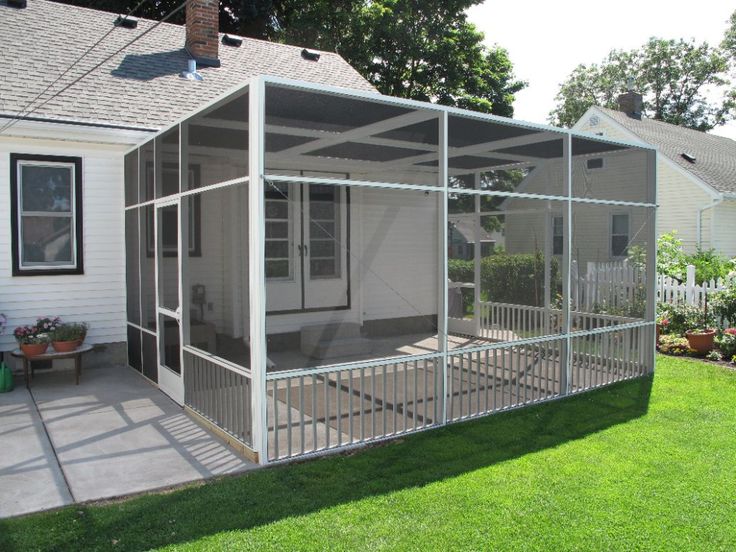
What Are Screened Patio Enclosures?
Screened patio enclosures use mesh screening to block insects while allowing airflow.
Benefits include:
- Mosquito control
- Improved ventilation
- Better outdoor comfort
- Natural airflow
Screened enclosures remain popular in regions with high insect activity.
They provide protection without sacrificing openness.
Glass enclosures offer even more protection.
What Are Glass Patio Enclosures?
Glass patio enclosures create enclosed environments with maximum visibility.
Advantages include:
- Year-round use
- Weather protection
- Natural lighting
- Enhanced aesthetics
Glass systems often increase property appeal and usability.
They function similarly to sunrooms while maintaining outdoor views.
Let’s explore enclosed patio systems.
What Are Enclosed Patio Systems?
Enclosed patio systems combine multiple components into a complete outdoor room.
These systems may include:
- Roofing
- Framing
- Glass panels
- Screens
- Sliding doors
- Climate-control options
Integrated designs improve functionality and visual consistency.
Installation quality becomes especially important with these systems.
How Does Patio Cover Installation Work?
Patio cover installation follows several stages.
Typical steps include:
- Site evaluation
- Design planning
- Permit approval
- Foundation preparation
- Framing installation
- Roofing installation
- Final inspection
Proper installation improves structural integrity and longevity.
The roofing phase deserves special attention.
What Happens During Patio Roof Installation?
Patio roof installation creates the protective upper structure.
Contractors evaluate:
- Load requirements
- Drainage systems
- Roof pitch
- Material compatibility
A properly installed roof prevents water intrusion and structural issues.
Roof design directly affects long-term performance.
Next, let’s discuss property value.
How Does Backyard Patio Enclosure Installation Improve Property Value?
Backyard patio enclosure installation can increase perceived property value.
Potential benefits include:
- Expanded living space
- Improved outdoor functionality
- Better visual appeal
- Enhanced marketability
Actual value increases vary by market conditions and property type.
Evidence varies by source, so homeowners should verify local trends.
Custom solutions often produce stronger results.
Why Choose Custom Patio Enclosures?
Custom patio enclosures provide solutions tailored to specific needs.
Customization may include:
- Size adjustments
- Architectural matching
- Specialized materials
- Unique layouts
- Integrated features
Custom designs improve both functionality and aesthetics.
Many homeowners prioritize personalization.
The same principle applies to patio covers.
Why Choose Custom Patio Covers Installation?
Custom patio covers installation allows precise control over design and performance.
Advantages include:
- Better shade coverage
- Architectural consistency
- Improved drainage planning
- Enhanced visual appeal
Custom construction helps maximize available outdoor space.
Working with qualified professionals is essential.
What Should You Expect From Patio Enclosure Contractors?
Professional patio enclosure contractors manage design, permitting, and construction.
Look for contractors who provide:
- Written estimates
- Licensing information
- Project timelines
- Material specifications
- Warranty details
Experienced contractors reduce installation risks.
Local expertise often improves outcomes.
How Do Patio Enclosure Builders Near Me Help?
Local patio enclosure builders understand regional building requirements and weather conditions.
Benefits include:
- Faster project support
- Local code knowledge
- Easier communication
- Better service availability
Local experience often helps avoid costly mistakes.
Material selection is another important decision.
What Materials Are Best for Patio Enclosures?
Several materials perform well in enclosure systems.
| Material | Durability | Maintenance | Appearance |
| Aluminum | High | Low | Modern |
| Vinyl | Moderate | Low | Clean |
| Wood | Moderate | High | Traditional |
| Glass | High | Moderate | Premium |
| Composite | High | Low | Contemporary |
Material selection affects maintenance, appearance, and lifespan.
Cost also varies significantly by material.
How Much Do Patio Enclosures Cost?
Patio enclosure costs depend on several variables.
Key cost factors include:
- Size
- Materials
- Design complexity
- Labor rates
- Permit requirements
- Location
Custom glass systems typically cost more than basic screened enclosures.
Homeowners should obtain multiple estimates before committing.
Budget options also exist.
Are Affordable Patio Enclosures Reliable?
Affordable patio enclosures can provide excellent value when properly designed and installed.
To evaluate affordability:
- Compare warranties
- Review materials
- Verify contractor credentials
- Examine installation methods
Low cost does not always mean low quality.
The goal is long-term value rather than minimum price.
Commercial properties also benefit from enclosures.
Can Businesses Benefit From Commercial Patio Enclosures?
Commercial patio enclosures increase usable customer space.
Common applications include:
- Restaurants
- Cafes
- Hotels
- Event venues
- Retail locations
Commercial enclosures help businesses serve customers during varying weather conditions.
Additional seating often improves operational flexibility.
Residential applications remain the largest market.
Why Are Residential Patio Enclosures Popular?
Residential patio enclosures create versatile outdoor living areas.
Popular uses include:
- Family rooms
- Dining spaces
- Home offices
- Entertainment areas
- Exercise spaces
Homeowners appreciate the ability to use outdoor areas more frequently.
Proper maintenance protects that investment.
How Do You Maintain Patio Enclosures?
Maintenance requirements vary by material.
Recommended practices include:
- Cleaning surfaces regularly
- Inspecting fasteners
- Checking drainage systems
- Replacing damaged screens
- Washing glass panels
- Removing debris
Preventive maintenance extends service life.
Design choices also influence performance.
What Design Features Improve Functionality?
Modern patio systems often include advanced features.
Popular additions include:
- LED lighting
- Ceiling fans
- Motorized shades
- Sliding glass doors
- Privacy panels
- Integrated drainage
- Smart controls
These upgrades improve comfort and convenience.
Choosing the right combination depends on intended use.
How Do You Choose the Right System?
The best system aligns with your goals, budget, and climate.
Consider:
- Desired level of protection
- Available space
- Maintenance preferences
- Local weather conditions
- Long-term costs
A clear understanding of priorities simplifies decision-making.
The final section summarizes key takeaways.
Conclusion
Patio enclosures and covers provide protection, comfort, and increased usability for outdoor spaces. From aluminum patio covers and patio shade covers to screened patio enclosures and glass patio enclosures, property owners have numerous options available. The ideal solution depends on climate, budget, maintenance expectations, and design goals. By working with experienced patio enclosure contractors and selecting quality materials, homeowners and businesses can create durable outdoor environments that deliver long-term value and enjoyment.
Ready to upgrade your outdoor living space? Contact California Redwood Gazebos and Patio today for a free consultation and expert custom patio enclosure and cover installation.