
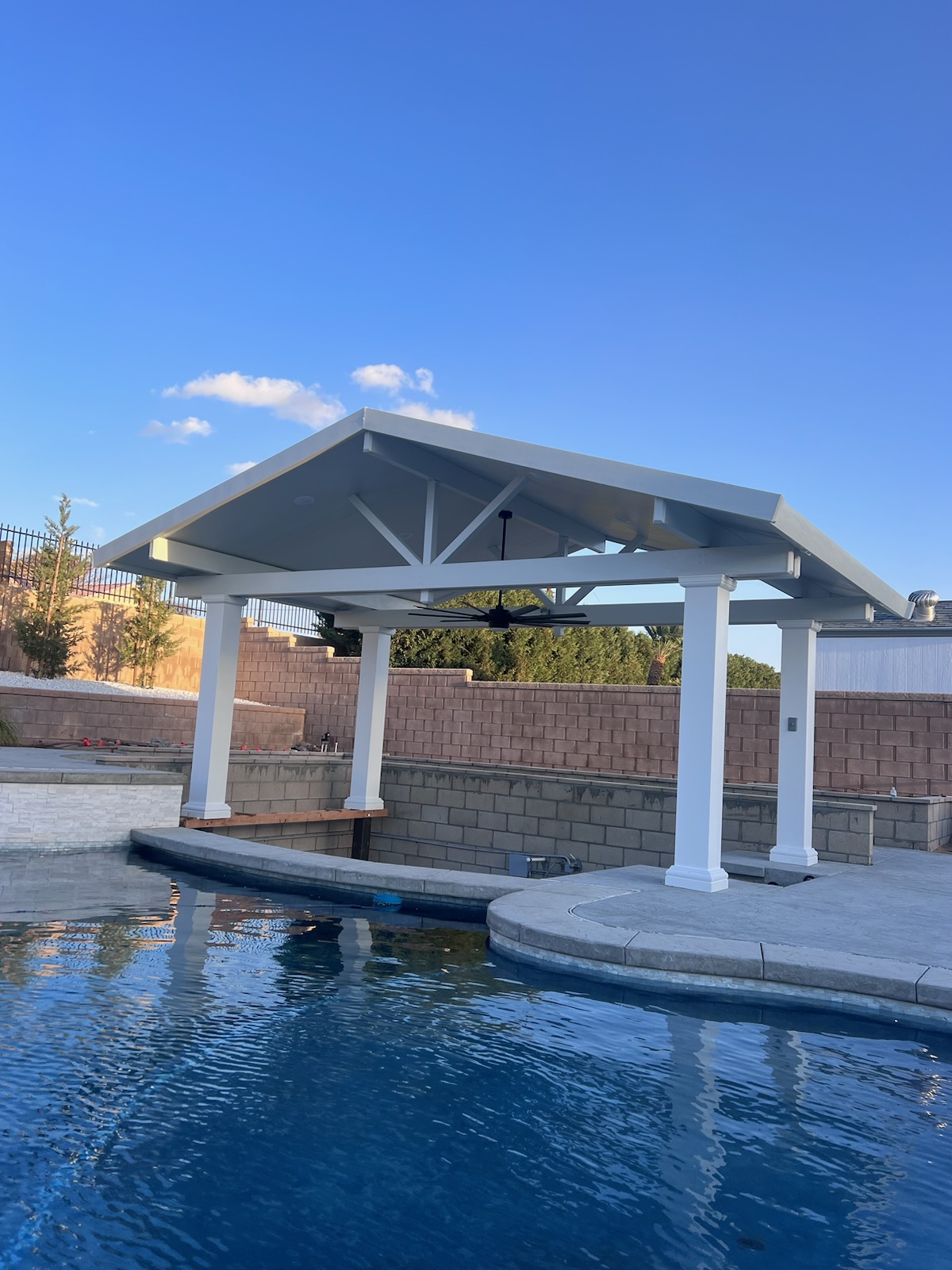
There’s a reason sunrooms remain one of the most sought-after home additions: they offer a genuinely unique blend of indoor comfort and outdoor connection that’s hard to replicate any other way. A well-designed sunroom enclosure creates a bright, versatile space that can be enjoyed across far more of the year than a traditional open patio, all while adding meaningful square footage and value to a home.
In this guide, California Redwood Gazebos and Patio walks through the different types of sunroom enclosures, their benefits, and what to expect during the installation process.
What Is a Sunroom Enclosure?
A sunroom enclosure is a structure, typically built with extensive glass or vinyl paneling, that creates a fully or partially enclosed living space while maximizing natural light and outdoor views. Unlike a simple patio cover, a sunroom is designed to function more like an actual room, offering greater protection from the elements while still maintaining that open, connected-to-the-outdoors feeling that makes the space so appealing.
Sunrooms can be attached directly to a home, expanding existing living space, or built as a more standalone addition, depending on a property’s layout and a homeowner’s goals.
Types of Sunroom Enclosures
Three-Season Sunrooms
Designed primarily for spring, summer, and fall use, three-season sunrooms typically feature extensive glass or screened paneling without the insulation needed for year-round climate control. They offer an excellent balance of cost and functionality for homeowners who want a bright, connected outdoor space for much of the year.
Four-Season Sunrooms
Built with insulated glass, proper framing, and climate control capability, four-season sunrooms function as true year-round living space, comfortable regardless of outdoor temperature. This option represents a larger investment but offers the most versatile, livable result.
Screened Sunrooms
For homeowners who want airflow and insect protection without full glass enclosure, screened sunrooms offer a lighter, more open option, particularly well-suited to climates with mild weather for much of the year.
Vinyl and Glass Combination Enclosures
Many sunrooms combine glass paneling with vinyl framing, balancing durability, energy efficiency, and cost. This approach allows for customization based on your specific climate and budget priorities.
Benefits of Adding a Sunroom
Expanded Living Space
A sunroom effectively adds usable square footage to your home, whether it becomes a reading nook, a home office, a dining space, or simply an additional area for relaxing and entertaining.
Abundant Natural Light
The extensive glass paneling central to sunroom design floods the space with natural light, creating a bright, uplifting environment that few other home additions can match.
Year-Round or Extended-Season Use
Depending on the type you choose, a sunroom allows you to enjoy an outdoor-connected space across a much wider range of weather conditions than a traditional patio, from light rain to cooler temperatures.
Increased Home Value
A well-built sunroom is generally viewed as a valuable addition by future buyers, offering both extra living space and an appealing architectural feature.
A Genuine Connection to the Outdoors
Even in a four-season, fully climate-controlled sunroom, the extensive glass surfaces maintain a strong visual connection to the outdoors, offering a different experience than a standard interior room addition.
Choosing the Right Sunroom for Your Home
Selecting the right sunroom style often comes down to a few key factors:
How You Plan to Use the Space A casual, seasonal retreat calls for different features than a space intended to function as year-round living area, such as a home office or additional family room.
Your Local Climate Homes in areas with mild weather may do well with a three-season or screened sunroom, while homes facing more significant temperature swings often benefit from the added investment in a four-season design.
Budget Three-season and screened sunrooms typically represent a lower upfront investment than fully insulated four-season structures, making budget an important factor in the decision.
Integration with Your Home’s Design The best sunroom additions feel like a natural extension of the home rather than a separate structure, which requires thoughtful attention to rooflines, materials, and overall architectural style.
A knowledgeable contractor can help walk through these considerations to identify the sunroom style that best matches your goals, climate, and budget.
What to Expect During Sunroom Installation
Understanding the general process can help homeowners feel more prepared for their project.
1. Initial Consultation A specialist discusses your vision for the space, how you plan to use it, your budget, and assesses your home’s existing structure.
2. Design and Material Selection You’ll finalize the sunroom style, glass or vinyl options, and any additional features like ventilation or climate control.
3. Permitting Given that sunrooms typically represent a more substantial addition than a simple patio cover, permits are commonly required and will be addressed as part of the planning process.
4. Construction The sunroom is built according to the finalized design, with careful attention to proper attachment to your home, weatherproofing, and structural integrity.
5. Final Walkthrough Once construction is complete, a final walkthrough allows you to review the finished sunroom and address any remaining details before enjoying your new space.
Sunroom vs. Patio Cover: Which Is Right for You?
Homeowners often weigh a sunroom against a simpler patio cover when planning an outdoor living upgrade. Patio covers offer a more budget-friendly, faster path to shade and basic weather protection, while sunrooms represent a larger investment that delivers a true additional living space, comfortable across a wider range of conditions and often more versatile in its everyday use. The right choice depends on your goals: a patio cover suits those wanting an improved outdoor space, while a sunroom suits those wanting to meaningfully expand their home’s functional living area.
How to Choose the Right Contractor
Not every contractor brings the same level of expertise to sunroom construction, which requires careful attention to structural integration, weatherproofing, and glass installation. When choosing a provider, consider the following:
- Experience with Sunroom Construction Specifically — Sunrooms involve different considerations than a standard patio cover, so look for a contractor with direct experience in this type of project.
- Quality Materials — High-quality glass and framing materials directly affect both the comfort and durability of your finished sunroom.
- Clear Communication — A trustworthy contractor provides transparent pricing and a realistic project timeline from consultation through completion.
- Custom Design Capability — The best results come from a design tailored to your specific home and goals, not a generic template.
- Strong Portfolio — Reviewing completed sunroom projects gives you a clear sense of the craftsmanship and style you can expect.
Frequently Asked Questions
What’s the difference between a three-season and four-season sunroom? A three-season sunroom is designed for use in moderate weather without full climate control, while a four-season sunroom includes insulation and heating/cooling capability for comfortable use year-round.
Do I need a permit to build a sunroom? In most cases, yes, given that sunrooms typically represent a more substantial structural addition. A qualified contractor can help determine the specific permit requirements for your project.
How long does sunroom installation typically take? Timelines vary based on the size and complexity of the project, with standard installations often completed within a few days to a couple of weeks, while larger custom projects may take longer.
Will a sunroom increase my home’s value? Generally, yes. A well-built sunroom is typically viewed as valuable additional living space, adding both square footage and appeal for future buyers.
Can a sunroom be used as a home office or additional bedroom? Yes, particularly a four-season sunroom, which offers the climate control and comfort needed for regular daily use as functional living space.
Do you offer free estimates for sunroom projects? Yes. Free, no-obligation estimates are available for both residential and commercial projects, giving you a clear picture of cost and scope before moving forward.
Final Thoughts
A sunroom enclosure offers a unique way to expand your home’s living space while maintaining a genuine connection to the outdoors, whether you’re looking for a bright seasonal retreat or a fully functional year-round room. Understanding the different sunroom styles, their benefits, and how to choose the right option for your climate and goals helps you approach the project with confidence.
Whether you’re envisioning a light, airy three-season space or a fully insulated four-season addition, California Redwood Gazebos and Patio is ready to bring skilled craftsmanship and personalized design to your next sunroom project.