A patio has the potential to be one of the most-used spaces in a home, but exposure to sun, rain, and temperature swings often limits how much that potential actually gets realized. Patio enclosures and covers solve that problem directly, extending the usability of outdoor space across more seasons and more hours of the day, while adding real value and character to a property.
In this guide, California Redwood Gazebos and Patio walks through the different types of patio enclosures and covers available, their benefits, and what to expect during a professional installation.
Why Patio Enclosures and Covers Are Worth Considering
An open, uncovered patio is at the mercy of the weather. Direct sun makes outdoor furniture fade and surfaces too hot to enjoy during peak summer hours, while rain can cut a gathering short with little warning. A well-designed enclosure or cover changes that equation entirely, creating a space that’s usable in more conditions and throughout more of the year.
Beyond comfort, these additions also protect the patio surface itself, along with any furniture or fixtures underneath, from sun damage, moisture, and general wear, extending the life of your outdoor investment.
Types of Patio Covers and Enclosures
Aluminum Patio Covers
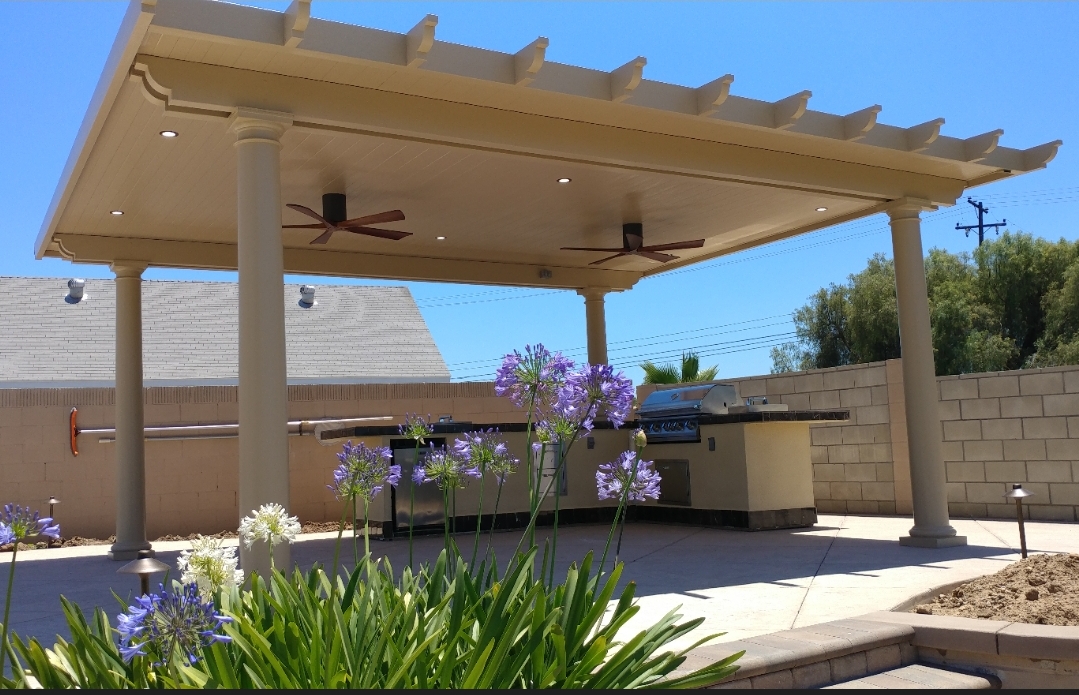
Aluminum patio covers offer a durable, low-maintenance option that holds up well against sun exposure and weather without the upkeep that wood structures require over time. They’re available in a range of styles, from solid roof designs to lattice-style covers that allow some filtered sunlight through.
Solid Roof Patio Covers
For homeowners who want maximum protection from sun and rain, a solid roof patio cover creates a fully shaded space that functions almost like an additional room, while still maintaining an open-air feel along the sides.
Screened Patio Enclosures
Screened enclosures add a layer of protection from insects and debris while still allowing airflow and a connection to the outdoors. This option strikes a balance between an open patio and a fully enclosed sunroom, making it a popular middle-ground choice.
Glass or Vinyl Patio Enclosures
For a more fully enclosed, climate-controllable space, glass or vinyl enclosures create a room-like environment that can often be used comfortably across more of the year, blurring the line between outdoor patio and functional indoor living space.
Retractable Awnings and Covers
For homeowners who want flexibility, retractable options allow you to open the space fully on nice days and provide cover when needed, offering the best of both an open patio and a covered one.
Benefits of Adding a Patio Enclosure or Cover
Extended Outdoor Living Season
A covered or enclosed patio can be used comfortably in more weather conditions, whether that means shade during peak summer heat or shelter during a light rain, meaningfully extending how much of the year the space gets used.
Protection for Furniture and Surfaces
Sun exposure fades fabric and finishes over time, while rain can damage furniture not designed for direct weather exposure. A cover or enclosure protects these investments, extending their lifespan significantly.
Increased Home Value
A well-built, professionally installed patio structure is often viewed as a valuable addition by future buyers, adding both usable square footage and curb appeal to a property.
Energy Efficiency Benefits
Patio covers positioned near the home can help reduce direct sun exposure on windows and walls, potentially easing the load on your home’s cooling system during hot months.
A Dedicated Outdoor Living Space
Whether it’s for entertaining, relaxing, or simply enjoying morning coffee outside, a covered or enclosed patio creates a defined space that feels intentional, rather than just an extension of the backyard.
Choosing the Right Option for Your Home
Selecting between an open cover, a screened enclosure, or a fully enclosed structure often comes down to a few key considerations:
How You Plan to Use the Space A space primarily used for entertaining might benefit from an open, airy cover, while a space intended for year-round relaxation might call for a more fully enclosed design.
Your Local Climate Homes in areas with significant sun exposure often prioritize shade and UV protection, while those in areas with more variable weather may lean toward enclosures that offer greater protection from rain and wind.
Budget and Long-Term Goals Open aluminum covers tend to be a more budget-friendly starting point, while glass or vinyl enclosures represent a larger investment that functions closer to an additional room.
Architectural Style The right structure should complement your home’s existing architecture, whether that means matching rooflines, materials, or overall design style.
A knowledgeable contractor can help walk through these considerations to identify the option that best fits your specific goals and property.
What to Expect During Installation
Understanding the general process can help homeowners feel more prepared for their project.
1. Initial Consultation A specialist discusses your goals, budget, and vision for the space, along with an assessment of your existing patio and home structure.
2. Design and Material Selection You’ll work together to finalize the style, materials, and specific features of your patio cover or enclosure.
3. Permitting Depending on the scope of the project and your local regulations, permits may be required before construction begins.
4. Construction The structure is built according to the finalized design, with attention to proper attachment, weatherproofing, and structural integrity.
5. Final Walkthrough Once construction is complete, a final walkthrough allows you to review the finished structure and address any remaining details.
How to Choose the Right Contractor
Not every contractor brings the same level of craftsmanship to outdoor structure projects. When choosing a provider, consider the following:
- Experience with Multiple Structure Types — A contractor familiar with aluminum covers, screened enclosures, and glass or vinyl systems can help you make an informed decision.
- Quality Materials — Durable materials matter as much as design, since your patio structure needs to withstand ongoing weather exposure.
- Clear Communication — A trustworthy contractor provides transparent pricing and a realistic project timeline.
- Custom Design Capability — Look for a contractor who tailors designs to your specific property rather than offering only standard, one-size-fits-all options.
- Strong Portfolio — Reviewing completed projects gives you a clear sense of the quality and style you can expect.
Frequently Asked Questions
How long does a typical patio cover installation take? Most standard residential installations can be completed within a few days, though larger or more custom projects may take longer depending on complexity.
Do I need a permit for a patio cover or enclosure? This depends on the scope of the project and local regulations. A qualified contractor can help determine what permits your specific project requires.
What’s the difference between a patio cover and a full enclosure? A patio cover typically provides overhead shade or rain protection while keeping the sides open, while a full enclosure adds walls or screens, creating a more defined, protected space.
Can a patio enclosure be used year-round? Depending on the type, particularly glass or vinyl enclosures, many patio structures can be used comfortably across a much wider range of weather conditions than an open patio.
Will a patio cover increase my home’s value? Generally, yes. A well-built patio structure is often seen as valuable additional living space by future buyers, in addition to improving your own day-to-day enjoyment of the home.
Do you offer free estimates? Yes. Free, no-obligation estimates are available for both residential and commercial projects, giving you a clear picture of cost before moving forward.
Final Thoughts
A patio cover or enclosure transforms an outdoor space that’s often underused into a comfortable, protected area you can enjoy across far more of the year. Understanding the different structure types, their benefits, and how to choose the right option for your home and climate helps you approach the project with confidence.
Whether you’re envisioning a simple aluminum cover or a fully enclosed sunroom-style space, California Redwood Gazebos and Patio is ready to bring skilled craftsmanship and personalized design to your next outdoor living project.