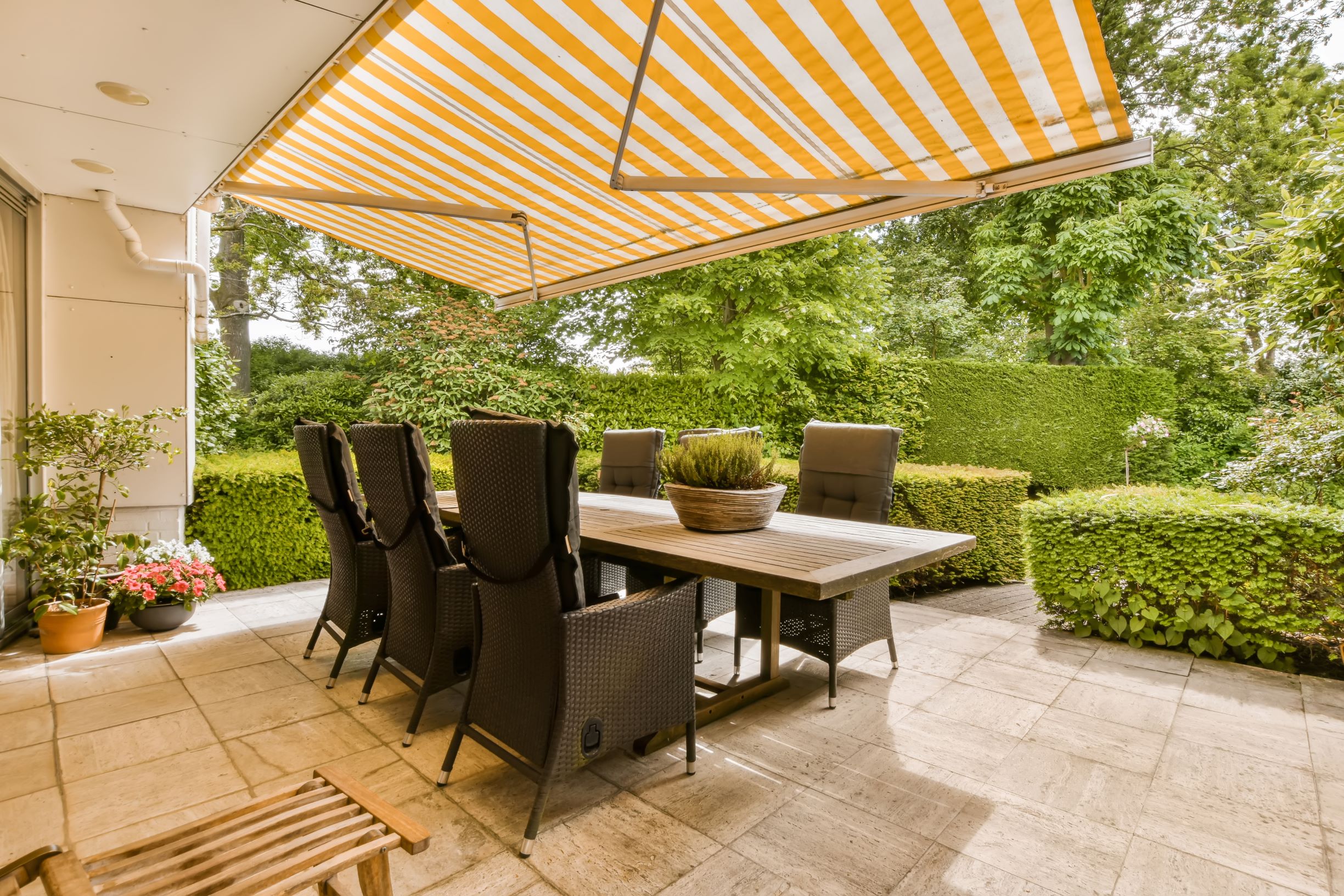
A patio door that turns a room into an oven every afternoon once the sun swings around. Outdoor furniture that’s fading faster than it should from direct sun exposure. A window that lets in beautiful light but also more heat than the air conditioning can keep up with. An awning is one of the simplest ways to solve all three, and understanding the options can help homeowners decide when it’s time for a professional awning installation.
In this guide, California Redwood Gazebos and Patio walks through the most common problems awnings solve, how to choose the right style and material, and what to expect from a professional installation.
Why Awnings Are Worth Considering
An awning might seem like a simple addition, but it plays a real role in how comfortable and usable an outdoor space actually is. Without shade, a patio or deck can become unusable during the hottest part of the day, and a home’s interior can absorb significant heat through unshaded windows and doors. Understanding what awnings can address, from sun exposure to energy costs, helps homeowners see them as a functional upgrade rather than just a decorative addition.
Common Problems Awnings Help Solve
Excessive Sun Exposure on Patios
Without shade, a patio or deck can become too hot to comfortably use during peak sun hours, especially in the High Desert’s intense summer heat. An awning creates usable outdoor space throughout more of the day.
Faded Outdoor Furniture and Flooring
Prolonged direct sun exposure can fade outdoor furniture, cushions, and even flooring materials over time. An awning helps protect these investments by reducing direct UV exposure.
Excess Heat Entering Through Windows and Doors
Unshaded windows and glass doors can let in significant heat, forcing an air conditioning system to work harder. Awnings positioned over these openings can meaningfully reduce indoor heat gain.
Limited Rain Protection for Outdoor Areas
Beyond sun protection, awnings also provide a practical barrier against light rain, allowing patios and entryways to remain usable during changing weather.
Underused Outdoor Living Space
A patio or deck that only gets used during mild weather represents underutilized space for much of the year. Adding shade through an awning can extend the usability of that space across more of the season.
Glare Inside the Home
Excess sunlight streaming through windows can create glare that makes rooms uncomfortable to use at certain times of day. An awning positioned over the right windows can reduce this issue significantly.
Choosing the Right Awning Style and Material
One of the most common questions homeowners have when considering an awning is which style and material best fits their needs. A few factors typically guide this decision:
Fixed vs. Retractable Awnings Fixed awnings provide permanent, consistent shade and require less maintenance, while retractable awnings offer flexibility to open the space to full sun when desired and retract during storms or high winds.
Material Durability Metal awnings offer strong durability and a clean, modern look with minimal maintenance, while fabric awnings offer more design flexibility in color and pattern, though they may require more upkeep over time.
Placement and Purpose An awning over a patio serves a different purpose than one over a window, so it’s worth considering exactly which area needs shade, heat reduction, or rain protection before finalizing a design.
Climate Considerations In a hot, sun-intense climate like the High Desert, materials that resist fading and heat damage are particularly important for a durable, long-lasting result.
A consultation with an experienced outdoor structure company is the best way to determine which style and material fits your specific home and goals.
What to Expect During a Professional Awning Installation
1. Start Consultation We discuss your goals, walk the property with you, and identify which areas would benefit most from shade, whether that’s a patio, window, or entryway.
2. Material Selection You’ll review material and style options suited to your climate, home style, and budget, from fixed metal awnings to retractable fabric designs.
3. Expert Installation Our team installs your awning with attention to secure mounting, proper drainage, and a finish that complements your home’s exterior.
4. Final Inspection Once installation is complete, the structure is reviewed to confirm it’s secure and ready to provide reliable shade and protection.
Caring for Your Awning
- Clean fabric awnings periodically to prevent dirt and mildew buildup
- Retract fabric awnings during high winds or severe storms to prevent damage
- Inspect mounting hardware seasonally to ensure everything remains secure
- Address any small tears or wear in fabric promptly before they spread
- Wipe down metal awnings periodically to maintain their finish and appearance
How to Choose the Right Awning Company
Not every outdoor structure company brings the same level of craftsmanship to awning installation. When choosing a provider, consider the following:
- Custom Design Capability — A skilled contractor can size and position an awning specifically for your space and goals, rather than a generic template.
- Premium Materials — Quality materials suited to your local climate make a meaningful difference in how long an awning lasts.
- Transparent Pricing — Clear, free estimates before any work begins help you plan your project with confidence.
- Experience Across Structures — A company that also works with patio covers, pergolas, and carports often brings a broader design perspective to an awning project.
- Client-Focused Service — A company that takes time to understand your specific sun, heat, or rain concerns tends to deliver a result you’ll actually benefit from.
Frequently Asked Questions
How much does an awning installation typically cost? Cost depends on the size, material, and whether you choose a fixed or retractable style. Most companies offer a free, no-obligation estimate after an initial consultation.
Are retractable awnings worth the extra cost compared to fixed awnings? It depends on your priorities. Retractable awnings offer more flexibility to enjoy full sun when desired, while fixed awnings provide consistent, low-maintenance shade without that flexibility.
Can an awning really reduce my cooling costs? Yes. Awnings placed over sun-exposed windows and doors can meaningfully reduce indoor heat gain, which can ease the load on your air conditioning system during hot months.
How long does an awning installation typically take? Most awning installations can be completed within a day, depending on the size and complexity of the project.
Do awnings require a lot of maintenance? Metal awnings generally require minimal maintenance, while fabric awnings benefit from periodic cleaning and occasional inspection of hardware and stitching.
Can awnings be installed over both patios and windows? Yes. Awnings are commonly installed over patios for outdoor shade, as well as over windows and doors to reduce heat gain and glare inside the home.
Final Thoughts
An awning is a straightforward, cost-effective way to make an outdoor space more usable and reduce heat gain inside the home, all while adding a polished look to a home’s exterior. Understanding the problems awnings solve, choosing the right style and material for your climate, and working with an experienced installer all help homeowners get the most value from this simple but effective addition.
Whether you’re looking to shade a sun-baked patio or reduce heat coming through your windows, California Redwood Gazebos and Patio is ready to help — serving Oak Hills, Fontana, Beaumont, Yucaipa, Rancho Cucamonga, Rialto, Corona, Victorville, Hesperia, and the surrounding Southern California area.