A pergola that looked stunning on a mood board but never quite matches the finished result. Wood that’s warped or grayed after just a couple of seasons in the sun. A backyard that could use a defined outdoor living space but doesn’t have one yet. Pergolas are one of the most popular ways to shape an outdoor space, and understanding what goes into a well-designed one can help homeowners avoid common pitfalls before investing in professional pergola designing.
In this guide, California Redwood Gazebos and Patio walks through the most common pergola design and build issues, how to decide between repairing an existing structure and starting fresh, and what to expect from a professional installation.
Why Getting Pergola Design Right Matters
A pergola is one of those outdoor additions that’s highly visible every single day, which makes design missteps hard to ignore. A structure that’s undersized for the space can feel like an afterthought rather than a destination. Materials chosen without the local climate in mind can warp, fade, or weaken well before their time. Getting the design, placement, and materials right from the start helps homeowners avoid a costly redo and ensures the structure actually gets used the way it was meant to.
Common Pergola Design and Build Issues
Undersized or Poorly Proportioned Structures
A pergola that’s too small for the space it’s meant to define often ends up feeling more decorative than functional. Proper proportion, relative to the patio, yard, and home, is one of the most overlooked parts of a successful design.
Warping or Weathering Wood
Untreated or improperly sealed wood can warp, crack, or gray prematurely when exposed to sun and moisture. This is one of the most common complaints with pergolas that weren’t built using climate-appropriate materials or finishes.
Insufficient Shade or Weather Protection
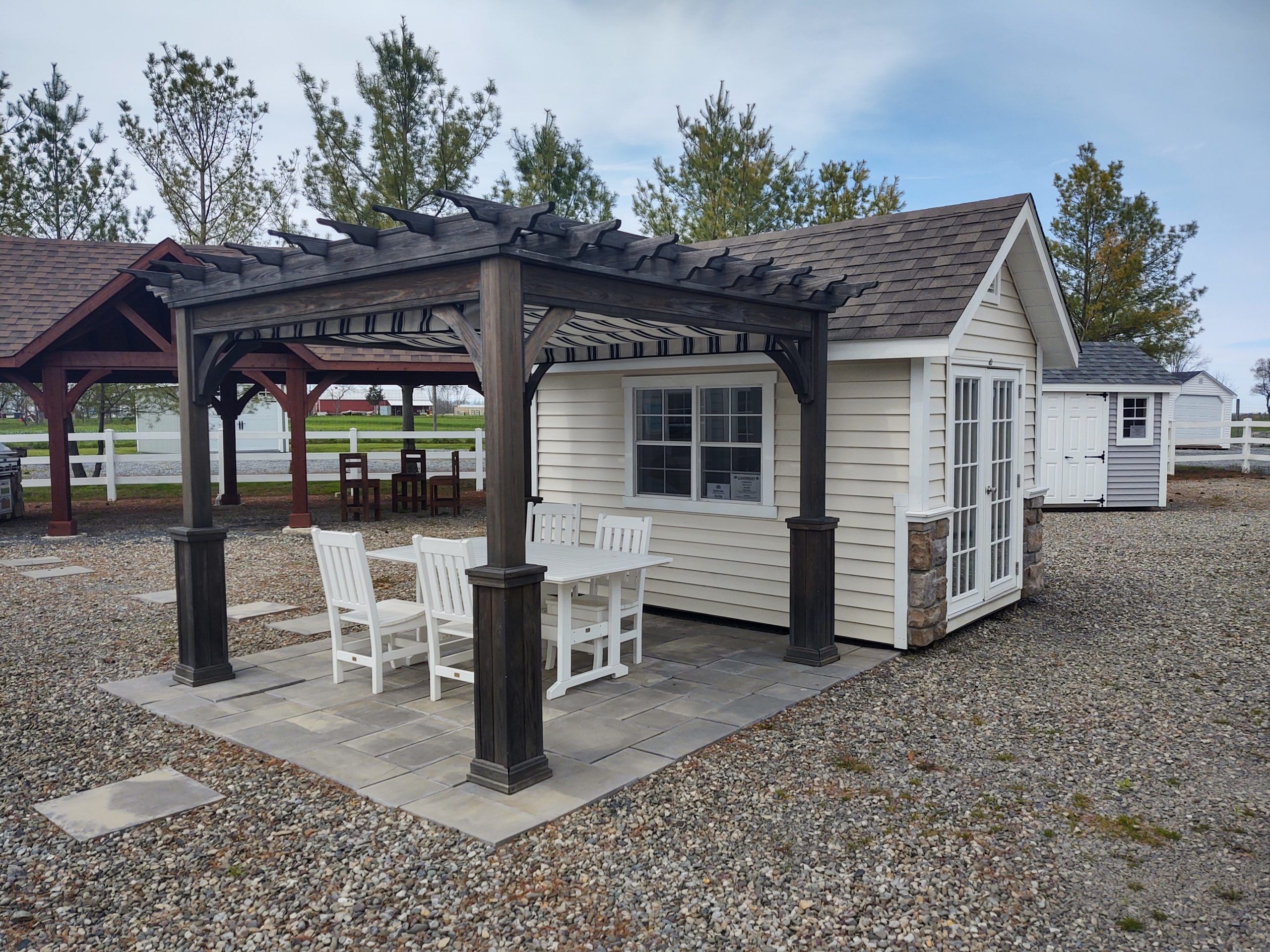
A traditional open-lattice pergola provides less shade than many homeowners expect once it’s actually installed. Without additional shade elements like a canopy, louvered roof, or climbing vines, the structure may not deliver the coverage the space was designed for.
Poor Placement Relative to Sun and Wind
A pergola positioned without accounting for the sun’s path or prevailing wind patterns can end up either too exposed or oddly shaded at the times of day it’s used most. Thoughtful placement is a design step that’s easy to skip but expensive to fix after installation.
Loose or Failing Connections
Over time, joints and connection points on any outdoor structure can loosen from temperature swings, wind load, or age. On a pergola, this often shows up first at the point where posts meet the beams overhead.
Mismatched Style or Materials
A pergola built with a different material or design language than the surrounding home and landscaping can end up feeling disconnected rather than like a natural extension of the outdoor space.
Repair vs. Replacement: How to Decide
One of the most common questions homeowners face with an existing pergola is whether to repair it or start fresh with a new design. A few factors typically guide this decision:
Age and Condition of the Materials A relatively new pergola with an isolated issue, like a single loose connection or a section of weathered wood, is usually a good repair candidate. An older structure with widespread warping, rot, or corrosion is often better replaced.
Structural Soundness If the core framing and posts are still solid, targeted repairs or refinishing can extend the life of the structure significantly. If the structural integrity has been compromised, a rebuild offers a more reliable long-term result.
How Well the Current Design Fits Your Space Sometimes a pergola is structurally fine but was never quite the right size, shape, or style for the space. In these cases, a redesign can deliver far more value than repairing a structure that was never fully serving its purpose.
Opportunity to Add Features If you’re already considering an update, it can be a good time to incorporate features like a louvered roof, integrated lighting, or a privacy wall that weren’t part of the original design.
A hands-on assessment from an experienced outdoor structure designer is the best way to determine whether your specific pergola needs a repair or a fresh design.
What to Expect During a Professional Pergola Installation
1. Start Consultation A designer discusses how you plan to use the space, walks the site with you, and considers sun exposure, wind patterns, and how the pergola will relate to your home and landscaping.
2. Material Selection You’ll review material and design options suited to your climate, style, and budget, from natural wood to aluminum and steel framing with a range of roof and shade options.
3. Expert Construction The team builds and installs the pergola with attention to proper footing, secure connections, and a finish that’s built to last through changing seasons.
4. Final Inspection Once construction is complete, the structure is reviewed to confirm it’s secure, level, and ready to become a functional part of your outdoor space.
Preventing Future Pergola Problems
- Choose climate-appropriate materials and finishes from the start rather than the cheapest option available
- Reseal or refinish wood components periodically to protect against sun and moisture damage
- Check connection points seasonally, especially after major windstorms
- Plan placement around sun and wind patterns before construction begins, not after
- Consider added shade elements, like a canopy or louvered roof, if full sun coverage is a priority
How to Choose the Right Pergola Design Company
Not every outdoor structure company brings the same level of design thinking to a pergola project. When choosing a provider, consider the following:
- Custom Design Capability — A skilled designer creates a pergola sized and styled specifically for your space, not a generic template.
- Premium, Climate-Appropriate Materials — The right material choice for your local climate has a major impact on how long the structure holds up.
- Transparent Pricing — Clear, free estimates before any work begins help you plan your project with confidence.
- Experience Across Outdoor Structures — A company that also works with patio covers, awnings, and carports often brings a broader design perspective to a pergola project.
- Client-Focused Service — A company that takes time to understand how you’ll actually use the space tends to deliver a design you’ll enjoy long-term.
Frequently Asked Questions
How much does a custom pergola typically cost? Cost depends on the size, material, and design features chosen, such as a louvered roof or integrated lighting. Most companies offer a free, no-obligation estimate after an initial consultation.
How long does a pergola installation typically take? Most standard residential installations can be completed within a few days, while larger custom projects with added features may take longer.
Does a pergola provide full shade? A traditional open-lattice pergola offers partial shade. For full coverage, many homeowners add a canopy, louvered roof panels, or climbing vines to the design.
Can an existing pergola be repaired instead of replaced? Often, yes. Isolated issues like loose connections or a section of weathered wood are typically repairable, while widespread structural damage usually calls for a rebuild.
What materials are best for a pergola in a hot, sunny climate? Aluminum and steel framing tend to hold up well in sun-heavy climates with lower long-term maintenance, though properly sealed and maintained wood remains a popular choice for its natural look.
Do you offer custom pergola designs for commercial properties? Yes. Many contractors serve both residential and commercial clients, designing pergolas for backyards as well as larger-scale outdoor spaces for businesses.
Final Thoughts
A well-designed pergola can transform an underused backyard into one of the most-visited spaces on a property, while a poorly planned one often ends up more decorative than functional. Understanding the common design and build pitfalls, knowing when a repair is enough versus when a fresh design makes more sense, and investing in the right materials from the start all help homeowners get an outdoor structure that’s actually used for years to come.
Whether you’re starting from scratch or looking to update an existing structure, California Redwood Gazebos and Patio is ready to help — serving Oak Hills, Fontana, Beaumont, Yucaipa, Rancho Cucamonga, Rialto, Corona, Victorville, Hesperia, and the surrounding Southern California area.